
Produced in Miyazaki Japan
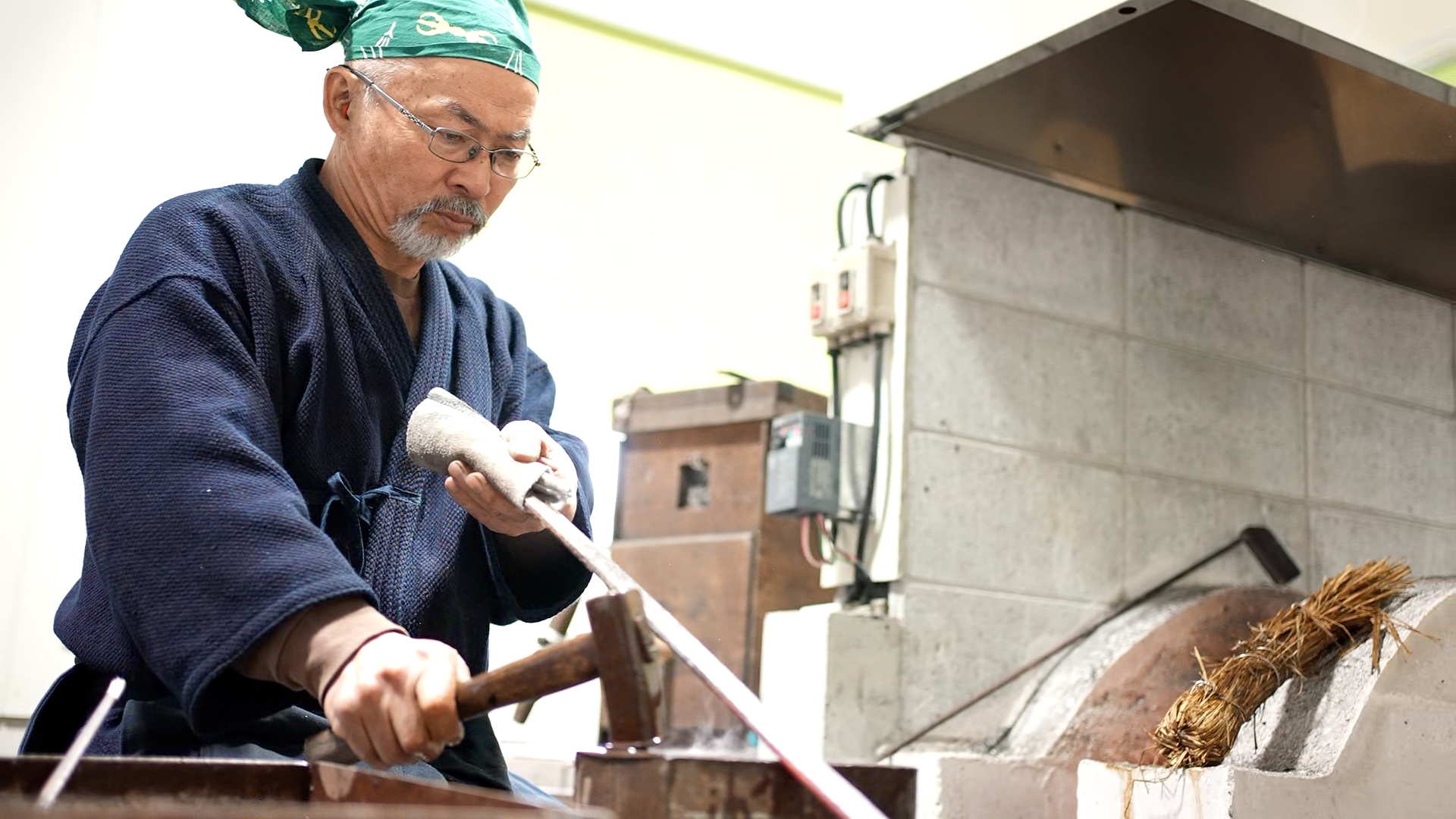
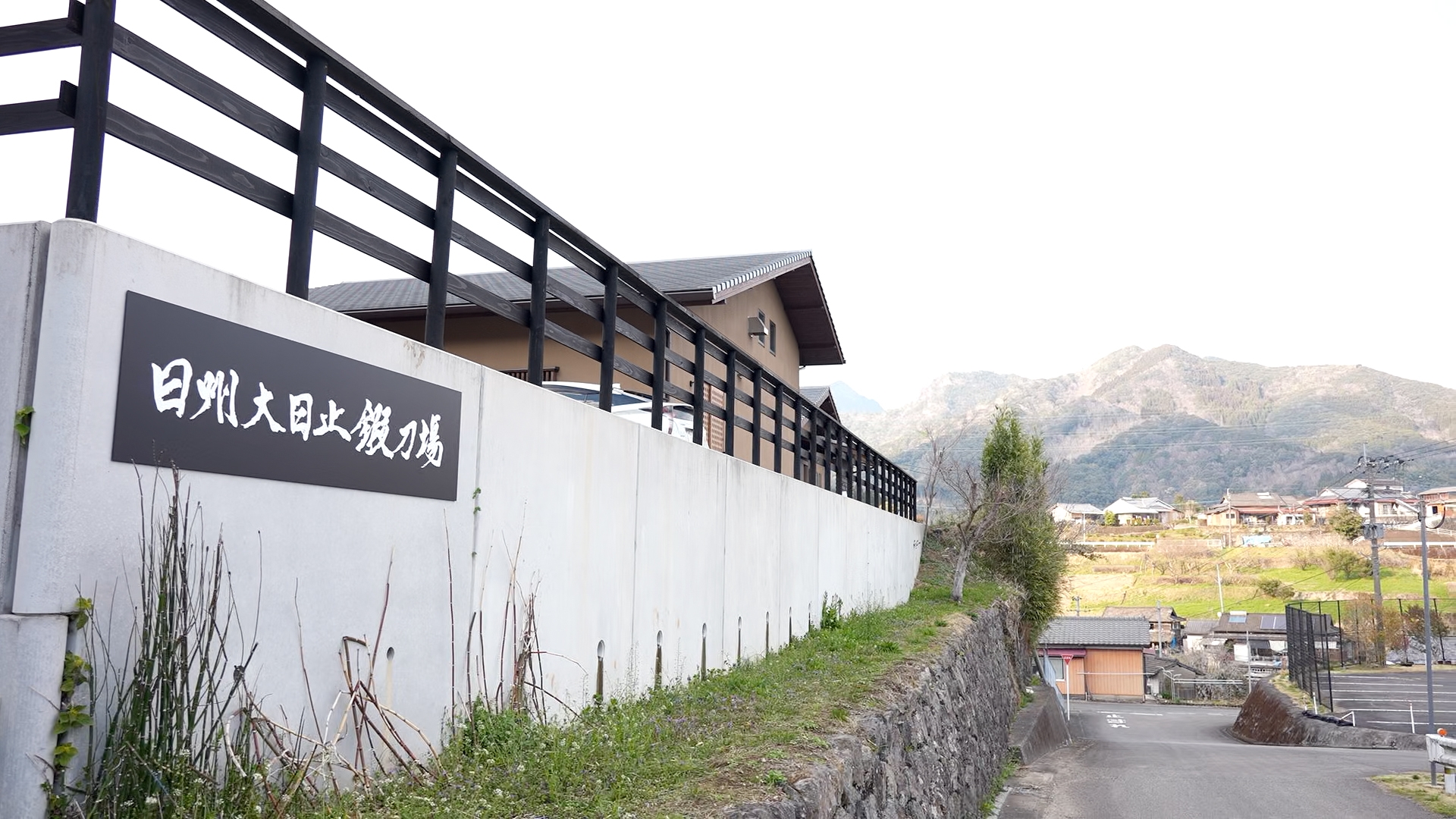
I was born in Hyuga City, Miyazaki Prefecture, far removed from the world of swords during my childhood. However, guided by fate, I returned to my hometown as a swordsmith and established my forge here in 1989.
The journey has been nothing short of arduous, filled with challenges beyond words. Yet, I have managed to persevere, driven by my deep fascination with the beauty of Japanese swords and the joy of creating such artistry myself.
The spirit of samurai, who cherished the beauty of the Japanese sword, represents an irreplaceable cultural heritage that has thrived in this country for centuries. While originally crafted as weapons of war, capable of cutting through life with precision and strength, Japanese swords evolved over hundreds of years into objects that also embody unparalleled beauty.
Even after their role as weapons has ended, Japanese swords remain alive and relevant today. I believe this enduring presence is due to the profound connection they have with the essence of humanity.
TOUR RESERVATION
We create Japanese swords using traditional methods, crafting them as true
works of art.
You can book a tour or hands-on experience through the external link below.
We look forward to your participation!
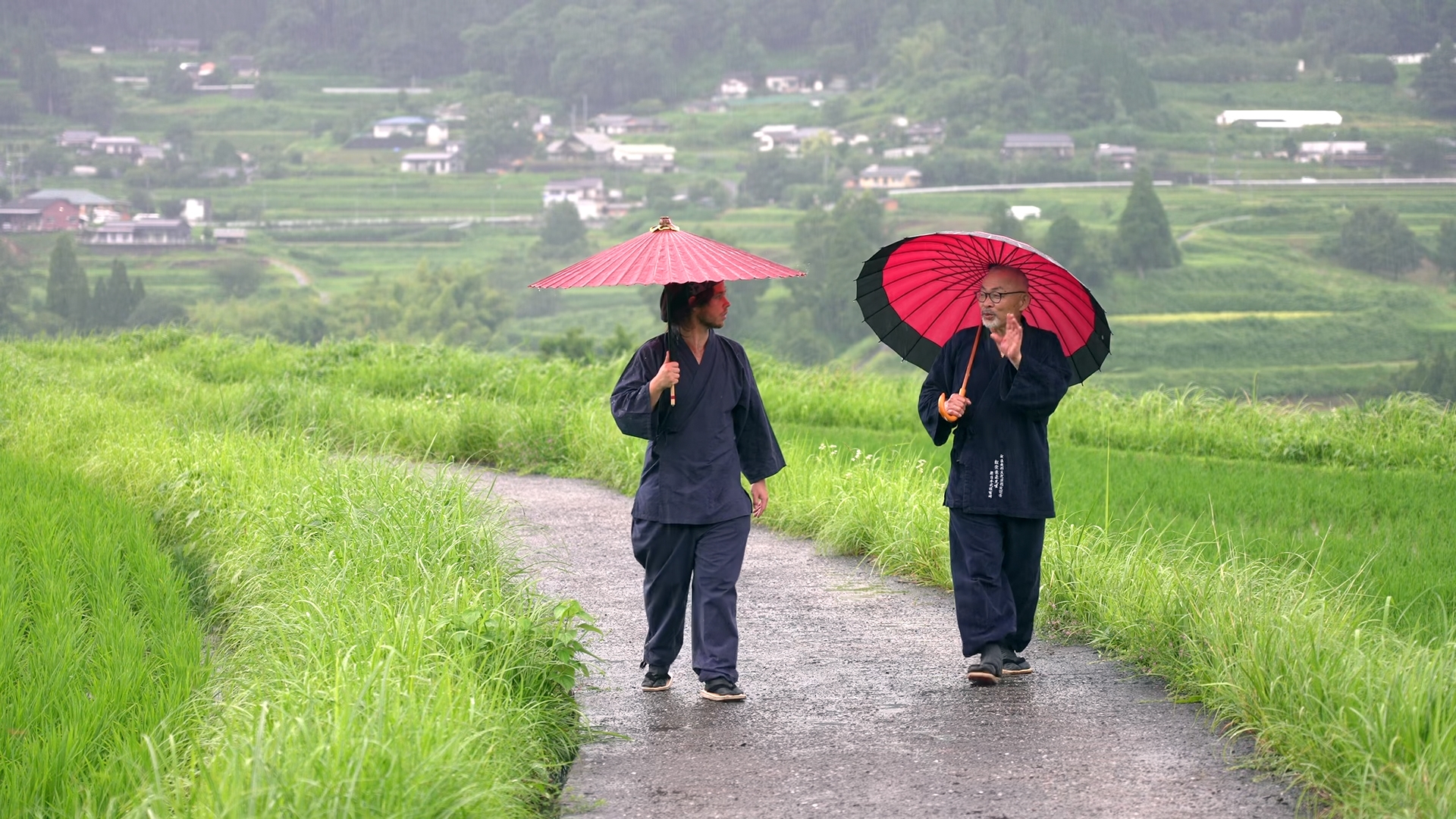
We invite you on a journey to the roots of the samurai,
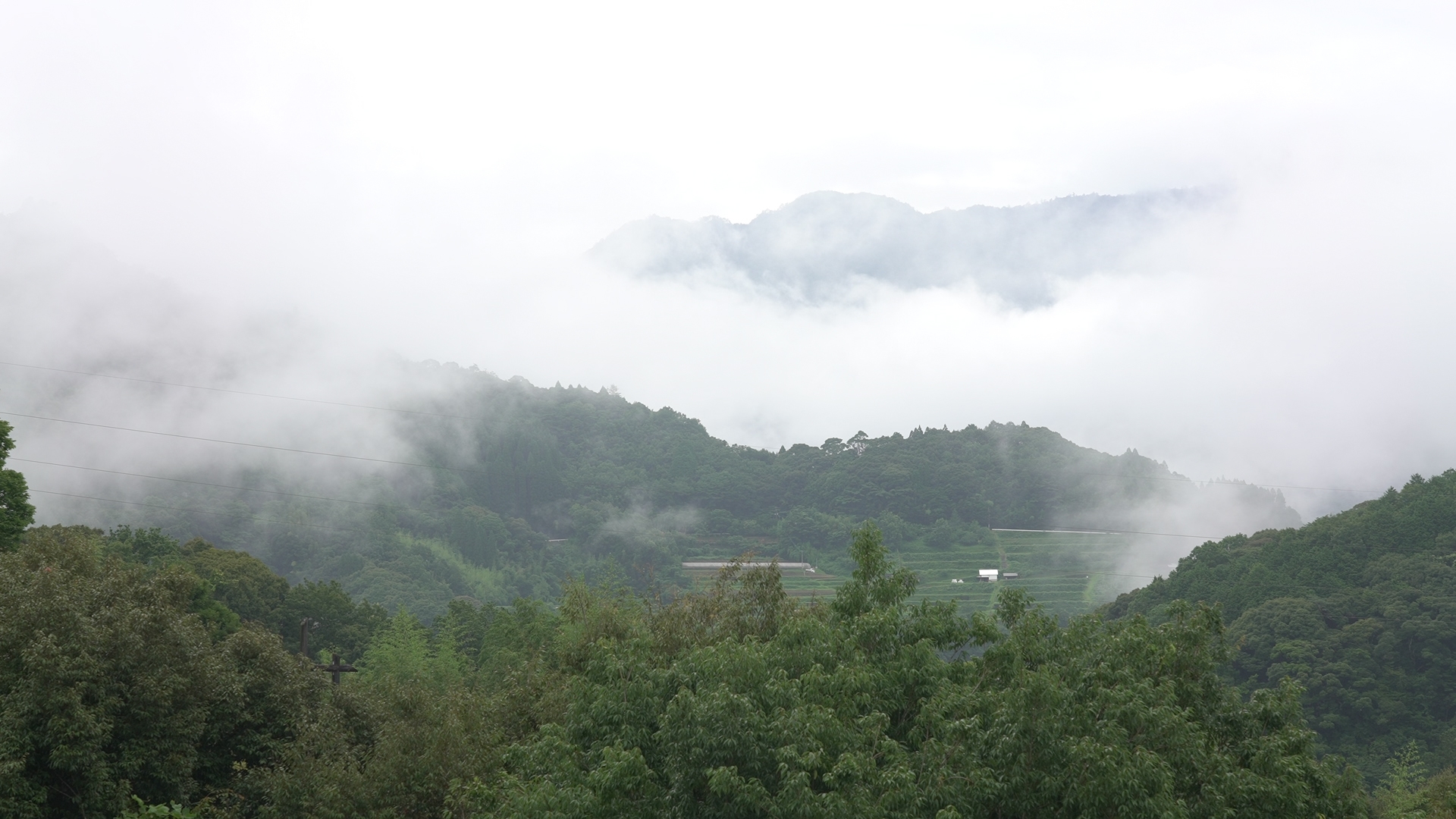
where you can experience primitive
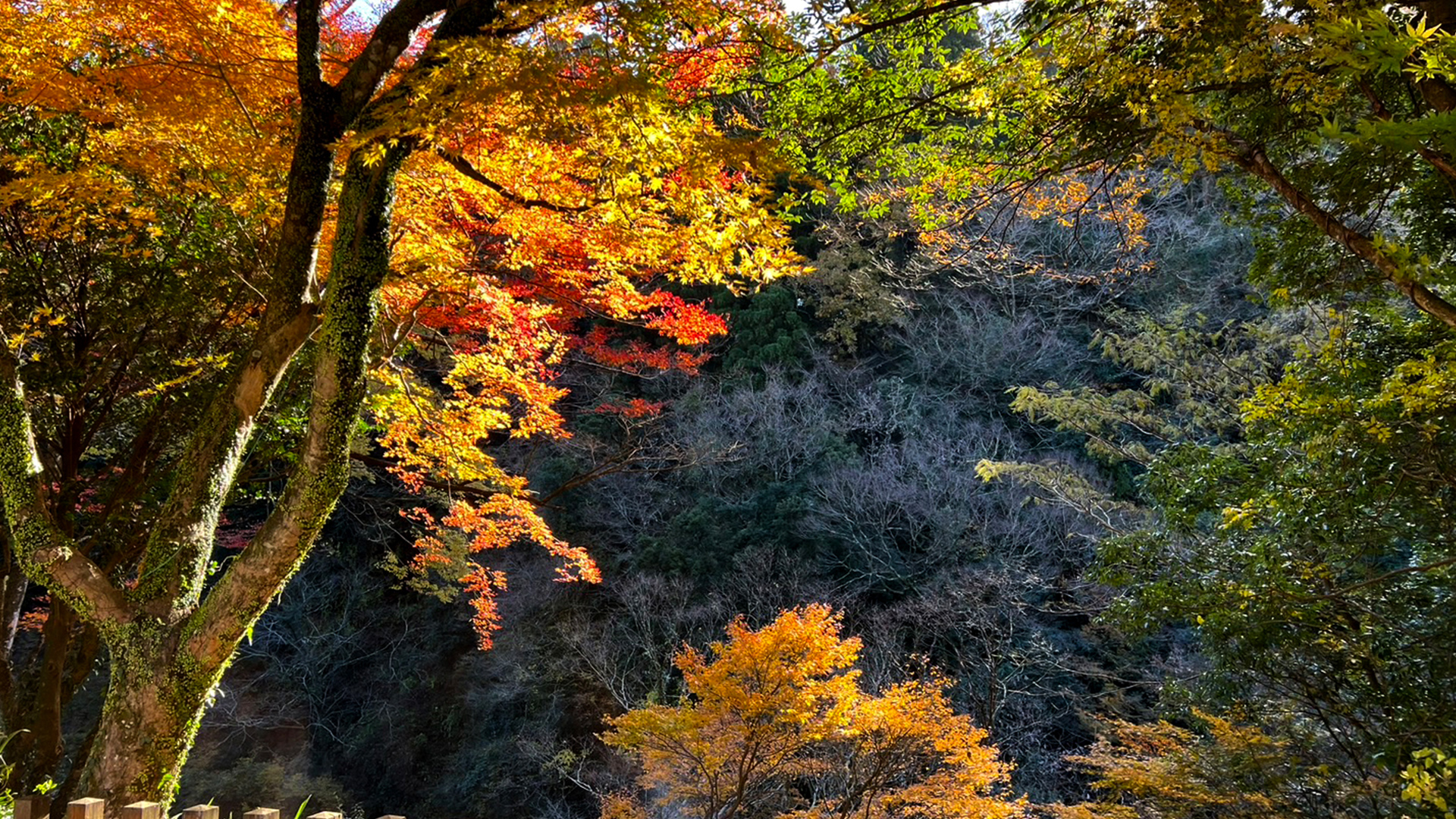
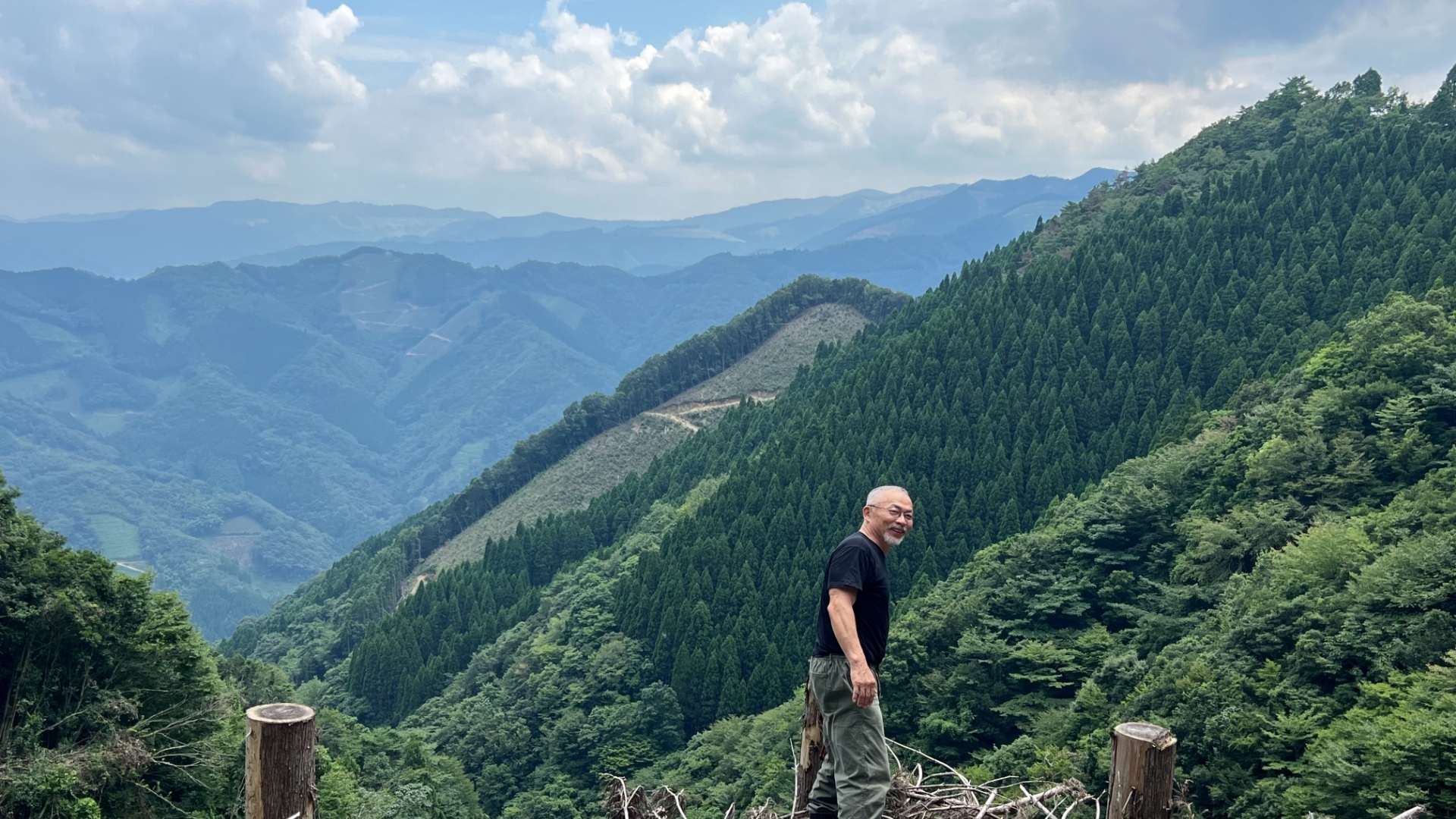
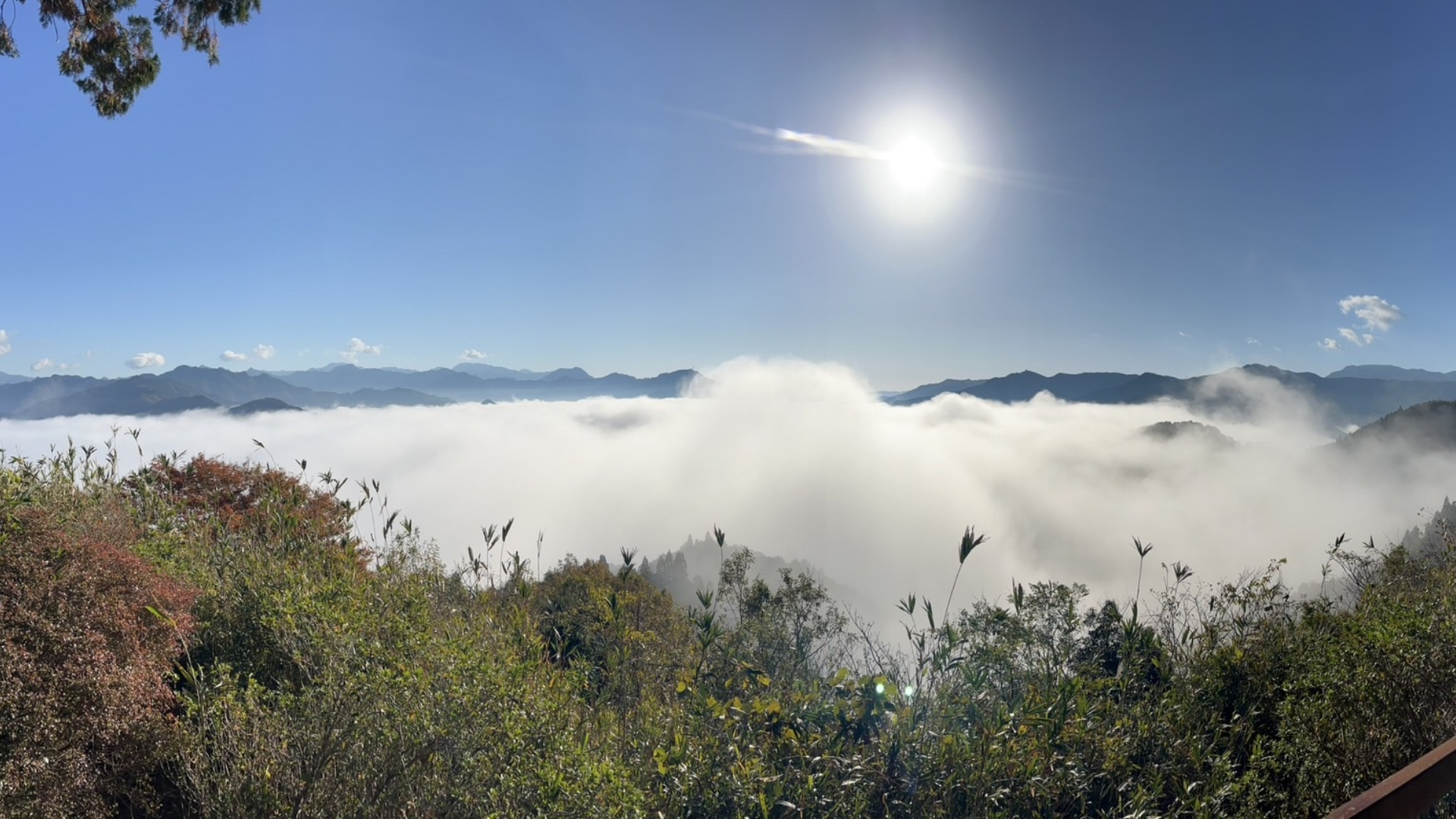
scenery
and a new swordsmithing experience.
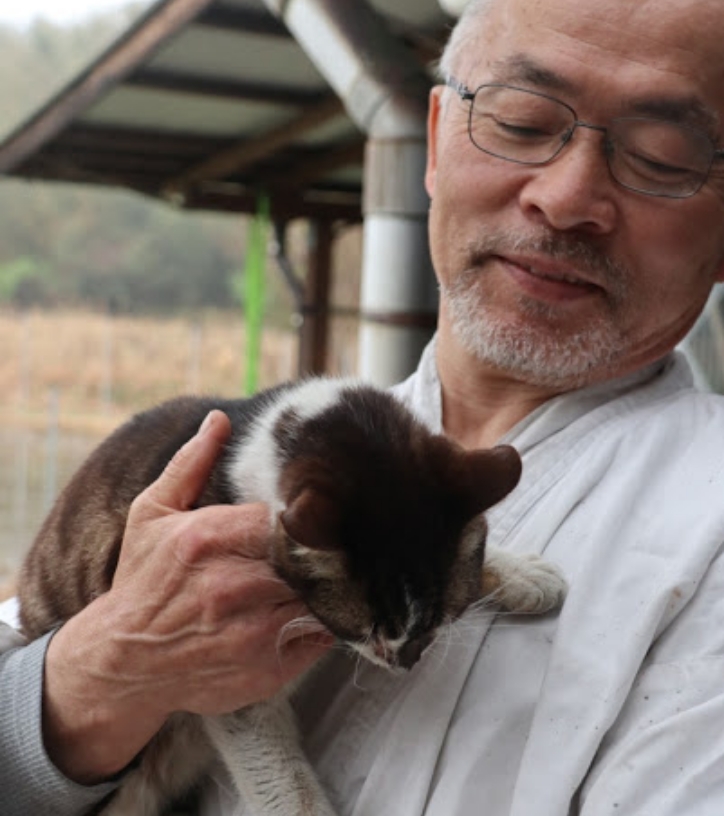
Kagemasa Profile
- 1959
- Born in February
- 1983
- Apprenticed under swordsmith Yasuhiro Kobayashi
- 1988
- Attended the first sword-making practical training course by the Agency for Cultural Affairs
- 1989
- Obtained swordsmith qualification under master Hiroki Ando in Tsuyama, Okayama; officially authorized to produce art swords on February 1
- 1990
- First entry into the New Japanese Sword Exhibition hosted by the Society for Preservation of Japanese Art Swords; selected every year since
- 1993
- Received Effort Award at the same exhibition
- 1995
- Received Effort Award at the same exhibition
- 1996
- Received Excellence Award for sword and Effort Award for tanto
- 1998
- Hosted a Kenjutsu workshop in Bad Nauheim, Germany; hosted an Aikido seminar in Zurich, Switzerland
- 2000
- Received Excellence Award for sword and Effort Award for tanto at the New Japanese Sword Exhibition
- 2001
- Received Excellence Award for sword and Effort Award for tanto; gave a lecture in Bonn, Germany (Beauty and Martial Aspects of the Japanese Sword); held Kenjutsu demonstrations and lectures in Sweden
- 2002
- Received Excellence Award for both sword and tanto; held Aikido seminars in Uppsala, Sweden and the Netherlands
- 2003
- Received Special Award (6th place) and Kanzan Award; received Effort Award for tanto; held an exhibition and gallery talk in Bad Nauheim, Germany
- 2004
- Received Excellence Award for sword and Effort Award for tanto; held Aikido and Kenjutsu seminars in Amsterdam, Netherlands and Zurich, Switzerland
- 2005
- Received Special Award (7th place) and All Japan Swordsmith Association President's Award for sword; received Excellence Award for tanto; received Special Award (1st place) and Okayama Prefecture Governor’s Award at the Omamori Katana Exhibition; held a Murakumo-kai exhibition in Paris, France
- 2006
- Received Kaoruyama Award for tachi and Effort Award for tanto at the New Masterpiece Sword Exhibition; held Aikido and Kenjutsu seminars in Amsterdam, Netherlands; performed demonstrations and gave lectures at Japan Expo in France
- 2007
- Received Excellence Award for both tachi and tanto; received 4th place Special Prize and Fukuoka Mayor's Award at the 2nd Omamori Katana Exhibition; received Hyuga City Cultural Award; gave a lecture in San Francisco, USA
- 2008
- Received 1st place Special Award and Society for Preservation of Japanese Art Swords President’s Award at the New Masterpiece Sword Exhibition; received Miyazaki Prefecture Cultural Award; placed 6th at the 3rd Omamori Katana Exhibition; held an exhibition, lectures, and demonstrations in Bad Nauheim, Germany; held a Kenjutsu seminar in Amsterdam, Netherlands; performed at Japan Expo in France
- 2009
- Received 3rd place Special Award and Kanzan Award for tachi; received Excellence Award for tanto; received Honorable Mention at the Omamori Katana Exhibition; gave a lecture in Houston, Texas, USA
- 2010
- Received 2nd place Special Award and Kaoruyama Award for tachi; received Excellence Award for small wakizashi
- 2011
- Received Society for Preservation of Japanese Art Swords President’s Award (1st place Special Prize) for new masterpiece swords; received Excellence Award for small wakizashi and tanto
- 2012
- Received Society for Preservation of Japanese Art Swords President’s Award
- 2013
- Received Society for Preservation of Japanese Art Swords President’s Award
- 2014
- Received Society for Preservation of Japanese Art Swords President’s Award; recognized as Mukansa (exempt from judgment)
- 2015
- Exhibited as Mukansa
- 2016
- Exhibited as Mukansa
- 2017
- Exhibited as Mukansa
- 2018
- Exhibited as Mukansa
- 2019
- Exhibited as Mukansa
- 2019
- Selected for Heisei Masterpiece Sword Exhibition in May
- 2020
- Exhibited as Mukansa
- 2022
- Recognized as an Intangible Cultural Property of Miyazaki Prefecture
How to order
HAVE AN IMAGE
Think about the IMAGE of the sword you want.
Determine the LENGTH of the Japanese sword.
- KATANA (approximately NAKAGO 21cm)
- TACHI 70cm-250cm (NAKAGO 25cm-70cm)
- WAKIZASHI 35cm-60cm
- KODACHI 55cm-66cm
- SUNNOBI-TANTÔ 28cm-35cm
- TANTÔ 30cm以下
Deciding on the TYPE of Japanese sword.
- SHINOGI-TSUKURI
- HIRA-TSUKURI
- RYOUBA-TANTÔ
- KIRIHA-TSUKURI
- KISSAKI-RYOUBA-TSUKURI(70cm around)
- CHOKUTÔ (Forms before 1000)
- RYOUBA-KEN (21cm-70cm)
Decide on JIGANE.
- MASAME-HADA
- ITAME-HADA
The HADAME comes out just like natural wood, We will do our best to accommodate your request as much as possible.
Decide on HAMON.
- SUGUHA
- GUNOME
- CYÔJI
- HITATSURA
Our chouji-ba is characterized by the Fukushikigunome-chouji, which was created by a swordsmith chougi who was active in the eastern part of Okayama Prefecture, Bizen Province, about 650 years ago. Of course, we can also make regular chouji.
Decide the SHAPE of the sword.
- SORI (1cm-3cm)
- MOTO-HABA/SAKI-HABA (Base width/Tip width)
- MOTO-KASANE/SAKI-KASANE (base thickness/Tip thickness)
Currently, there are between 2 and 3 million Japanese swords made during the Samurai era. None are the same, each one is very unique. Explore the many Japanese swords online or in books, decide which you like, and place your order. We will do our best to meet your needs. We are happy to assist you.
CONTACT US
Decide on the details of the sword.
- production time
- payment
- delivery, and shipping
GET STARTED ON THE PRODUCTION.
Once your order is confirmed, we will contact you to confirm details and begin production.
PRODUCTION TIME BY CRAFTSMEN OTHER THAN SWORDSMITHS.
Nowadays, the number of craftsmen making Japanese swords is decreasing, and depending on the order and the amount of work each craftsman is concerned with, it may take time. It may take about 10 months at the earliest, or more than a year at the latest. We will contact you as soon as we have contacted the craftsman to inform you of the production time and status.
CREATE A REGISTRATION CERTIFICATE.
In Japan, after manufacturing a sword, you must obtain a Firearms and Swords Registration Certificate. For more information, please see the Agency for Cultural Affairs website.
COMPLETION OF PRODUCTION.
We will notify you when it is completed.